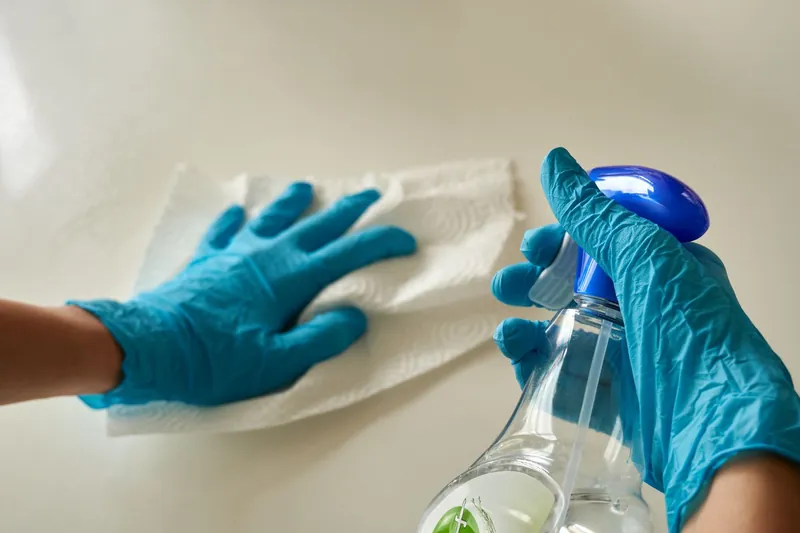
Blood Cleanup
Blood cleanup clears blood from furniture, walls, hard floors and carpet, followed by safe disposal.
See blood cleanupGet fresh or dried blood cleaned from hard surfaces, carpet, furniture and building materials in West Milton. The affected area is assessed before cleaning, disinfection and blood waste disposal begin.
Blood cleanup removes fresh and dried blood under controlled conditions. Afterward, surfaces are cleaned and disinfected, while materials that cannot safely stay are disposed of.
Blood may stay within one sealed flooring area, but it can also reach wall material, upholstery, subfloor, carpet padding or spaces below baseboards. A professional blood cleaning follows that movement. Finding every affected spot, preventing cross-contamination and treating all salvageable surfaces are the goals.
Biohazard blood cleanup is different from routine blood cleaning services. Trained technicians use protective equipment, controlled work zones and products selected for the surface. They clean visible soil before applying an EPA-registered disinfectant for the full contact time on its label. Materials that absorbed blood are separated from other hazardous materials for blood waste disposal under applicable rules.
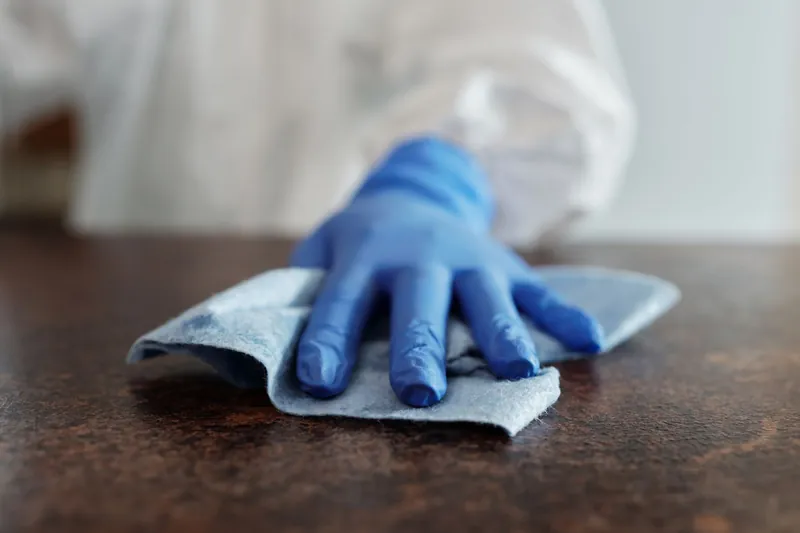
Important items are reviewed with you when possible, allowing thoughtful decisions about what must be removed.
Learn which items can be cleaned or removed and what shapes cost before the cleaning service starts.
Calls are answered day and night, and crews arrive in unmarked vehicles. There is no need to move affected items or begin cleaning before you describe what happened.
Photos, scope details and disposal records can support talks with insurance companies as you move forward with repairs.
Blood cleanup services and blood clean up services are appropriate when a spill is too large, widespread or emotionally difficult for ordinary cleaning. Every situation is assessed on its own. Common situations include:
Both personal property and multiple surfaces can be involved in trauma cleanup. Crews sort contaminated materials apart from belongings that can be cleaned.
A vehicle injury may leave blood within carpeting, seat material, trim and seams. An assessment identifies cleanable materials and those that must be removed.
Cleanup in hotels, stores, workplaces or rentals may require a restricted zone that excludes customers, occupants and staff.
Law enforcement may release a crime scene while blood and bodily fluids remain both above surfaces and within gaps underneath.
Your personal safety comes first. While waiting for a company that performs blood cleaning or blood cleanup, follow these practical steps. They allow the appropriate team to understand where blood has spread:
Call (888) 351-0904Published blood cleanup guides show ranges from $300 to $5,000. Minor blood cleanup is commonly listed at $500 to $2,500. A small spill on one sealed surface can cost less than blood that entered carpet, subfloor, furniture or several rooms. The amount of blood, surface type, number of affected areas and waste disposal needs shape the final scope.
Published national cost guides are the source for these ranges, rather than an inspection of your property. After an on-site assessment, the price for your property is determined and shared with you before cleanup begins.
Ask about cost: (888) 351-0904Homeowners, renters and commercial policies may cover blood cleanup after an event the policy includes. Whether coverage applies is determined by the loss cause, deductible and policy terms.
Keep the claim number, safe photographs, the cleanup scope and records of removed materials. Check with your adjuster prior to throwing away other damaged belongings.
Victims of violent crime can ask the Ohio Attorney General's Crime Victim Services Section about crime scene cleanup, which its victims compensation program lists among eligible expenses for safety purposes. Insurance is usually checked first.
The commercial insurer can tell property owners or business managers about cleaning services, interruption provisions and pre-restoration documentation.
Tell the insurance company what happened and which rooms or materials were affected. Ask your insurer if biohazard cleanup and damaged building materials are covered by the policy.
Assessment is the starting point, and a final check completes the cleanup process. The service records each stage because blood spill risks and surface materials vary. How far blood moved, what it touched and how much is present determine the process as a whole.
The inspection covers visible blood and the nearby rooms, boundaries and gaps. The cleanup technicians identify porous and non-porous materials and document the starting condition.
The cleanup area remains isolated from unaffected space. Protective equipment is matched to the hazard, and technicians manage all entry to and exit from the affected space.
When upholstery, insulation, drywall, raw wood or carpet padding cannot be completely cleaned, it is carefully taken out rather than masked with covering or deodorizer.
Crews clean away material you can see before applying disinfectant to hard surfaces. Edges, grout lines, fixtures and other places touched by the spill are included.
Cleanable surfaces are treated with an EPA-registered disinfectant. The surface stays wet for the full contact time stated on the product label.
Contaminated materials and used cleanup products receive hazardous-waste packaging where required, followed by disposal that meets state and local rules.
After the source is removed, the space is checked for remaining odor. Air filtration or another source-focused treatment may be used when needed.
A final inspection checks for overlooked surfaces, and photos and records can identify cleaned areas, removals and readiness for restoration services.

Phone any hour. Your blood spill cleanup specialist answers the phone, describes what happens next and works with you on a start time.
Blood can contain bloodborne pathogens and create serious health risks. Dried blood still requires careful treatment because appearance does not show whether contamination is present.
Cleaning up blood linked to loved ones or a traumatic event can be distressing. With professional cleanup, you do not have to enter the affected area.
Blood may carry hepatitis B, hepatitis C or HIV. Dried blood is not harmless because the CDC states that hepatitis B can persist on surfaces for at least seven days.
Damaged furnishings, used absorbents and cleaning materials may require controlled packing and disposal. Local requirements and the material determine the proper disposal route.
Can you clean it yourself? You may clean a few recent drops from a sealed, non-porous surface by wearing disposable gloves and keeping an EPA-registered disinfectant wet for the full contact time on its label. Never combine cleaning chemicals. Seek professional cleanup when blood reached porous material, spread beyond clear edges or came from a trauma, crime or unattended death.
Non-porous surfaces can often be cleaned and disinfected by a professional blood cleaner. Absorbent material must be taken out if blood has traveled too far inside for thorough treatment.
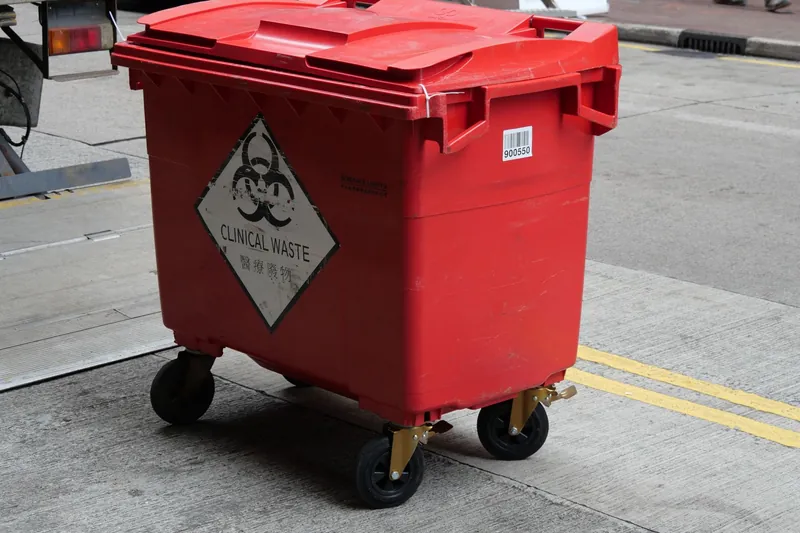
Blood cleanup can be completed in one visit when a small spill is confined to sealed material. If porous items or several rooms are involved, removal, disinfection and documentation take longer.
| Scene | Typical time on site |
|---|---|
| One non-porous surface with a limited spill | Often completed during one cleanup visit |
| Several surfaces, furniture or carpeting involved in the spill | May require a longer visit or additional work |
| A large spill requiring structural material removal | Drying, waste disposal and material removal determine the timeline |
Odor control begins by finding and removing the source. Fragrance does not clean blood, and covering a stain does not address material that entered carpet pad, subfloor, upholstery or a wall cavity.
After contaminated materials are removed and cleanable surfaces are treated, the area can be checked again. HEPA air filtration may help capture airborne particles during the remediation process. Any remaining odor points to a source that needs more investigation, not simply a stronger scent.
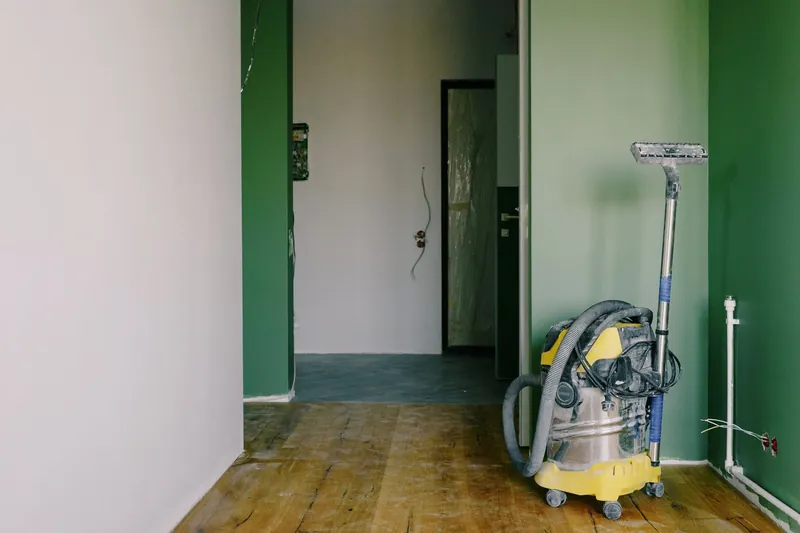
The full blood spill cleanup guide covers what is cleaned or removed, odor and air quality work, and the rules that apply in your state.
Read the full blood spill cleanup guidePlanning for access, containment and cleanup can depend on local population, housing and entry conditions.
Because renter occupancy is 29.0%, cleanup discussions often can focus on the household without a separate property manager involved.
In housing built around 1973, a moisture check can help define how far sewage or cleaning water traveled.
A 22.9% share living alone still matters because delayed discovery can increase odor movement and the amount of affected material.
A single-family share of 78.2% makes private entrances useful for discreet equipment movement during a sensitive cleanup.
You can ask about cleanup in nearby communities and ZIP codes during the call.
Blood cleanup clears blood from furniture, walls, hard floors and carpet, followed by safe disposal.
See blood cleanup
Blood cleanup controls exposure to HIV as well as hepatitis B and hepatitis C.
See bloodborne pathogen cleanup
Homes, care environments and businesses receive bodily fluid cleanup and disinfection.
See bodily fluid cleanup
Injury and accident scene cleanup covers workplaces, homes and public spaces.
See accident and injury scene cleanup
Trauma scene cleanup is needed after violent events, accidents and injuries.
See trauma scene cleanup
Crime scene cleaning begins after police release and covers blood, odor and the affected property.
See crime scene cleanup
Pickup and disposal of biohazard waste use containers that are sealed and labeled.
See biohazard waste disposal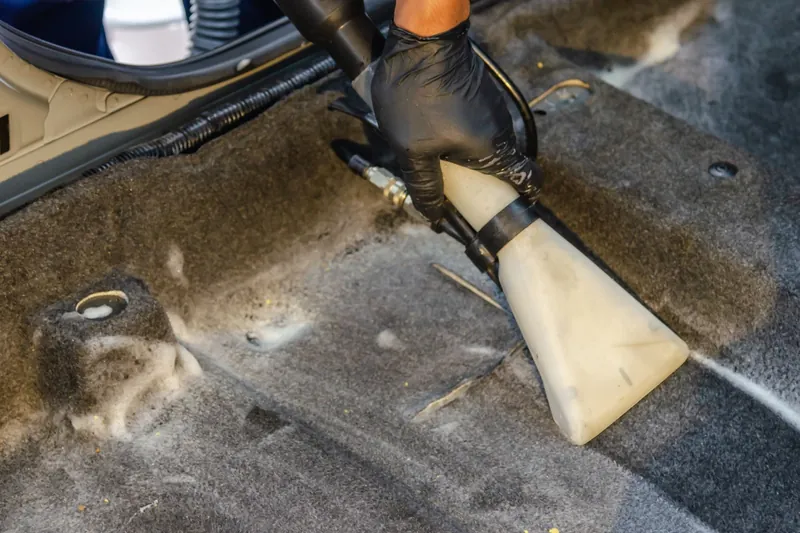
Biohazard carpet and upholstery cleaning, or safe removal when needed.
See biohazard carpet and upholstery cleaningA small surface mark does not show how far blood traveled. Blood can soak past the visible mark into carpet padding or furniture fill. Cleanup staff check between layers and along seams. Treatment may work where crews can reach the contamination, but heavily absorbed blood in carpet, pad or upholstered material can mean taking it out.
Coverage may apply. The reason for the spill and the deductible and terms in your policy shape coverage. Report the loss, ask specifically about biohazard cleanup and damaged building materials, and keep the claim number, safe photos, cleanup scope and disposal records.
Affirmative. Human blood can contain bloodborne pathogens, so it is considered potentially infectious. Looking at blood cannot tell you if it contains a pathogen. Prevent access by anyone without protection, do not touch the blood directly and use equal caution around dry and fresh spills.
You need single-use gloves plus appropriate absorbent material, with an EPA-registered disinfectant whose label covers that surface and purpose. Observe all label instructions for disposal, airflow and the required contact period. Keep ordinary mops and cloths you plan to reuse away from blood because they can contaminate surrounding areas.
Survival differs by pathogen and conditions, so dried blood should not be assumed safe. The CDC says hepatitis B can survive on surfaces for at least seven days. Without suitable protective equipment, avoid contact with dry blood and never scrape or sweep it because contamination can spread.
For a sealed material with only a few drops, wear disposable gloves, remove the soil you can see and keep an EPA-registered disinfectant in place throughout the label contact time. Do not mix chemicals. Professional blood cleanup is safer when the spill entered carpet, wood, furniture or gaps, spread widely or followed a traumatic event.
Discreet, respectful blood spill cleanup, 24 hours a day, with crews in unmarked vehicles.