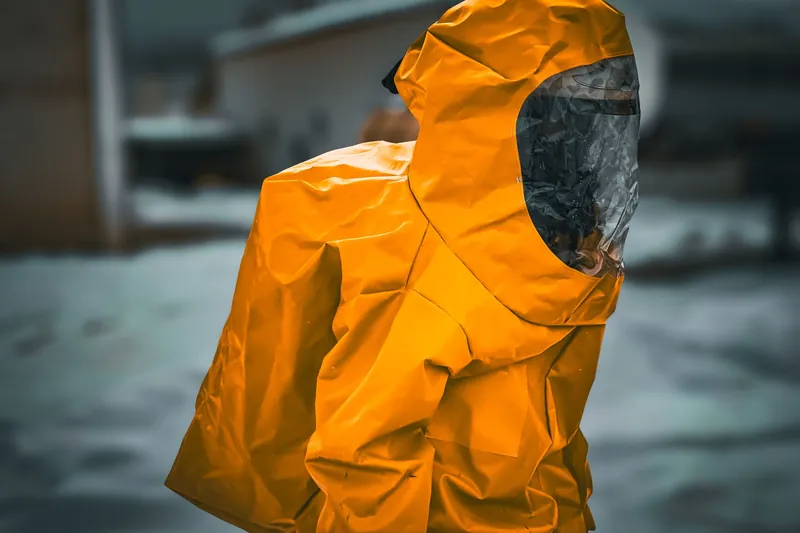
Biohazard Cleanup
Cleanup removes infectious material, including blood and body fluids, and disinfects the property.
See biohazard cleanupGet blood, bodily fluids, human waste, sharps and source odor removed from a hotel room, Airbnb, vacation rental or long-term rental in Bradford. The area is contained, cleaned, disinfected and documented.
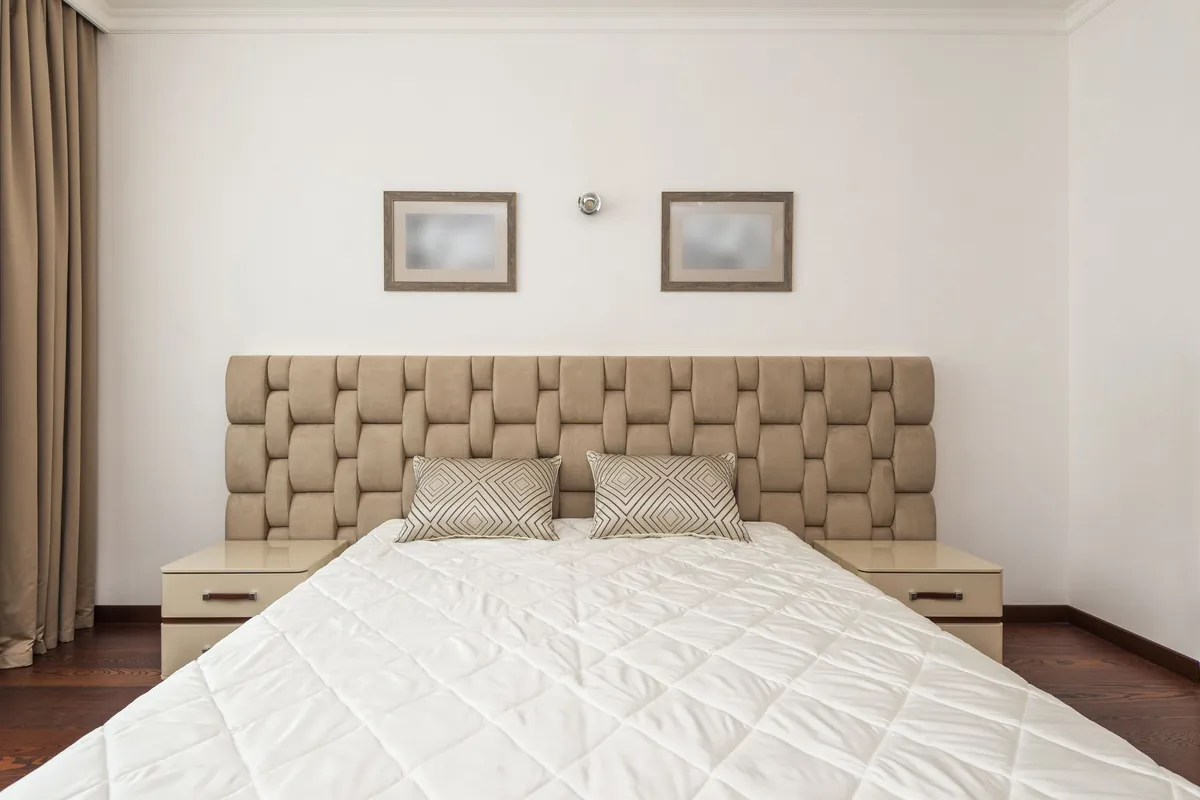
This cleanup safely takes human waste, other hazardous material, bodily fluids and used sharps out of rental apartments, guest rooms and common areas. Cleaning, disinfection and odor treatment follow the removal.
Turnover cleaners address food residue, ordinary dirt and dust. A room with vomit, urine, blood, used needles, feces, decomposition fluids or another possible source of germs needs biohazard cleaning services. Housekeeping staff should stay away from exposures for which they lack the right training and protective equipment.
Work starts with an assessment of the affected area, including nearby paths where staff, a tenant or a guest may have walked. Technicians protect adjacent spaces. Porous material comes out if disinfection is not possible, and hard surfaces receive an EPA-registered disinfectant for its labeled contact time. The intended result is a space free of contaminated items and source odor.
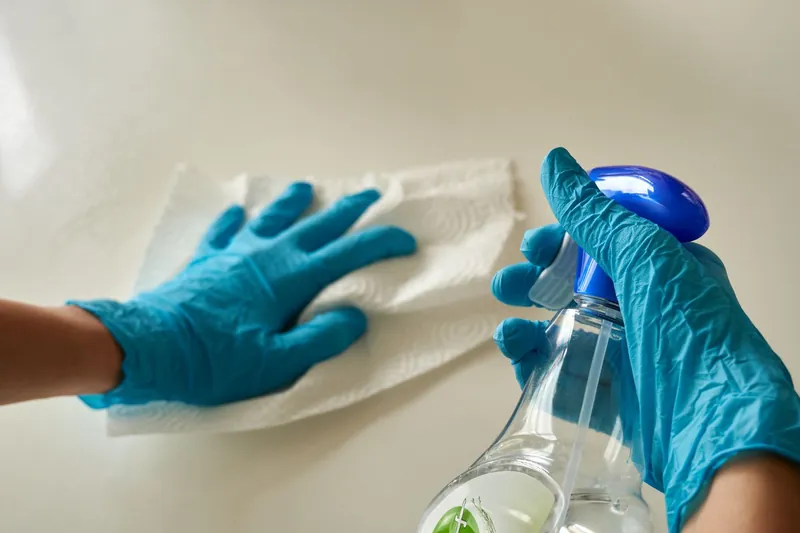
Photos, scope notes, invoices and waste records can support an insurance claim and help a property owner plan repairs and reopen the space.
Before cleanup starts, you receive details about the affected area, what can remain, what must be removed and which conditions influence cost.
Each item of personal property receives documentation and careful treatment. Private details stay limited to the people who need them for safety, access and insurance.
Calls receive an answer around the clock, with crews arriving in unmarked vehicles. When available, a private entrance or service corridor can serve as the access route.
Routine cleaners are not suitable when contamination cannot be removed safely. These situations may require hotel and rental biohazard cleaning:
Cleaning may be necessary at a long-term rental following an illness, injury, tenant departure or welfare check.
A short-term rental may need contaminated linens, soft furnishings or flooring removed before safe cleaning can begin.
Careful collection with puncture-resistant containers is required for loose needles and sharps, rather than using bare hands or standard trash bags.
A host may find bodily fluids, drug paraphernalia or a strong source odor after checkout and need the unit restricted before the next booking.
Take the following steps before technicians begin cleanup in the rental. These early actions help protect records, keep contamination from spreading and reduce exposure:
Call (888) 351-0904For rental property, Airbnb or hotel cleanup alone, a dependable published range is not available. The typical national range in general biohazard cleanup guides is $3,000 to $5,000. They give $1,800 to $4,500 as a residential average. Most residential projects run from $2,500 to $8,000. Fixr's broad published span is $1,500 to $25,000. The final cost depends on both the kind of contamination and its spread. Booking rate and unit size alone do not set it.
These national ranges are taken from published cost guides, rather than a property visit. After an on-site assessment, the price for your property is determined and shared with you before cleanup begins.
Ask about cost: (888) 351-0904Property insurance can cover biohazard cleanup at a rental when the cause qualifies as a covered event. The facts of that loss and the policy's deductible, exclusions and coverage determine whether payment applies.
Homeowners or renters insurance, the estate or the property owner usually pays for this kind of cleanup. The Ohio crime victim compensation program helps only when a crime caused the loss. Program terms control eligibility and eligible expenses. The affected person should verify the details with that program.
Personal property insurance and platform protection each include separate exclusions and limits. Retain the reservation record, communications, photos, incident documentation and bills before asking the insurance contact how the event applies.
The owner typically coordinates cleanup when the building is affected. The lease, reason for the event, applicable laws and insurer decisions can affect who pays in the end.
An owner or manager needs to report the event and its cause accurately, then ask the insurance company what documents it requires before any damaged materials are discarded.
To protect occupied rooms, the remediation work proceeds in a controlled order and every stage is documented. Its exact scope is shaped by the building layout, contamination and surfaces involved.
Cleanup technicians assess the affected area, access path, neighboring rooms and surfaces that might need cleaning, testing or removal.
Containment keeps the room out of use, controls each doorway and divides clean travel routes from working routes.
Guest belongings and host-owned items are sorted away from linens and things meant for disposal. Items that may matter to an investigation are not disturbed.
Porous materials such as drywall, upholstery and carpet padding are taken out only when contamination penetrated beyond complete disinfection.
Surface soil is removed from non-porous materials at the start. The surface is then treated with an EPA-registered disinfectant that remains wet for the entire contact time on its label.
Odor treatment and air scrubbing begin only after the material causing the odor has been taken away. If an odor has moved, vents and surrounding areas need inspection.
Technicians record the waste, seal it in suitable containment and follow its required disposal route, including for sharps.
Technicians inspect the finished area, complete the cleanup documentation and tell the owner or manager about any necessary replacement of furniture, walls or floors.
Phone any hour. A specialist in hotel, airbnb and rental biohazard cleanup takes your call, explains each step and agrees on a start time with you.
The health risk to tenants, staff and guests can be serious because bodily fluids, hidden contamination and sharps may be present even where visible impact seems minor.
Hosts, guests and housekeepers can face exposure if a loose needle pierces their skin. Sharps and other hazardous waste need suitable containers and disposal under applicable rules.
Blood can carry HIV as well as hepatitis B or hepatitis C. Hepatitis B can live on a surface for at least seven days, the CDC says, which means dry material must still receive careful biohazard cleanup.
Padding, subfloor, wall edges and furniture seams may become affected when fluid penetrates carpet or bedding. Material beneath the surface remains after the visible spot is wiped.
Can you clean it yourself? A few drops on a hard, non-porous surface may be manageable by an employee whose duties, training and protective equipment cover that exposure. Call for professional cleanup when fluids reached carpet, furniture, unfinished wood or wall cavities, when sharps are present, or when you cannot see the full edge of the affected area.
A rental cleanup limited to one room can often be finished in one to three days, although assessment of the space and affected materials is needed before setting the time. Work can take longer if contamination is deep, structural material must be removed or multiple rooms are involved.
| Scene | Typical time on site |
|---|---|
| Hard-surface cleanup limited to one room | Often about one day |
| A standard room requiring carpet or furnishing cleanup | Often one to three days |
| Multiple affected rooms or removal of building materials | May take several days |
The source must be found and removed before odor treatment can succeed. On its own, an ozone machine, bleach or fragrance cannot clean fluid that has entered a wall cavity, furniture, the subfloor or padding beneath carpet. Lasting air treatment follows only after the source is exposed and cleaned or taken away.
After source cleanup, HEPA air scrubbers can help capture airborne particles. Hydroxyl treatment may be used in suitable occupied-building settings, while ozone requires an empty, controlled area and careful re-entry steps. HVAC returns, hallways and adjacent units are checked when odor moved beyond the original room.
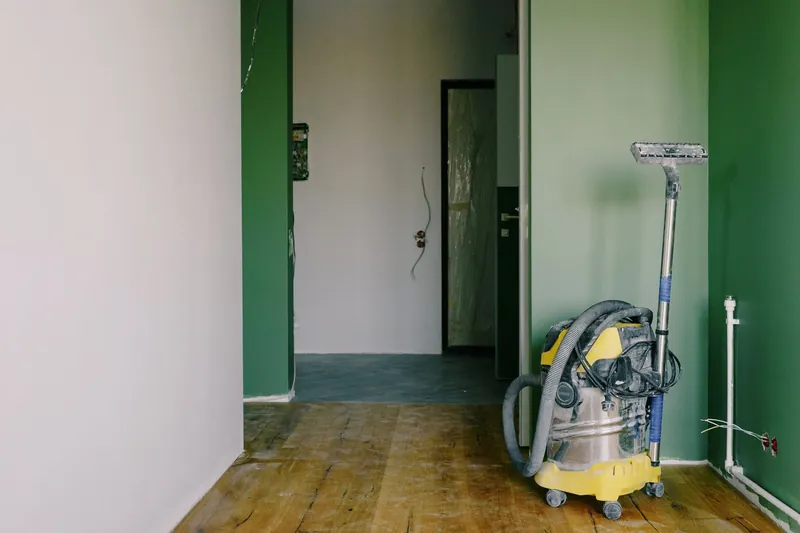
When a job can reasonably expose workers to blood or to potentially infectious materials, the OSHA Bloodborne Pathogens Standard, 29 CFR 1910.1030, applies.
Use an EPA-registered disinfectant approved for the organism and surface being treated, keeping that surface wet for the entire label contact time.
Ohio treats soaked materials from a biohazard scene as infectious waste. Ohio EPA's Division of Materials and Waste Management rules control how it is packaged, transported and treated, so it cannot go in household trash. The correct disposal route depends on whether the material is sharps, regulated medical waste or another waste type.
Local health and building rules can affect how a contaminated room is cleaned and when it can be used again, so mention any notice you have received from the city or county. Do not enter or move items until law enforcement or the medical examiner or coroner confirms that the property is released.
The full hotel, airbnb and rental biohazard cleanup guide covers what is cleaned or removed, odor and air quality work, and the rules that apply in your state.
Read the full hotel, airbnb and rental biohazard cleanup guide
Planning for access, containment and cleanup can depend on local population, housing and entry conditions.
Only 27.9% of homes in Bradford are renter occupied, so many cleanup decisions may rest directly with resident owners.
In housing centered around 1938, crews may need to check behind baseboards and below older floor coverings before declaring cleanup complete.
The local senior population includes 70 people living alone, and any cleanup in a home like theirs calls for discreet, respectful planning.
A single-family share of 97.2% makes private entrances useful for discreet equipment movement during a sensitive cleanup.
Ask on the call about cleanup options for neighboring communities and ZIP codes.
Cleanup removes infectious material, including blood and body fluids, and disinfects the property.
See biohazard cleanup
Walls, carpets, furnishings and hard floors receive blood cleanup, with safe disposal afterward.
See blood cleanup
Bodily fluid cleanup and disinfection for homes, care settings and businesses.
See bodily fluid cleanup
Cleanup after an undiscovered death includes odor control and the effects of days of decomposition.
See unattended death cleanup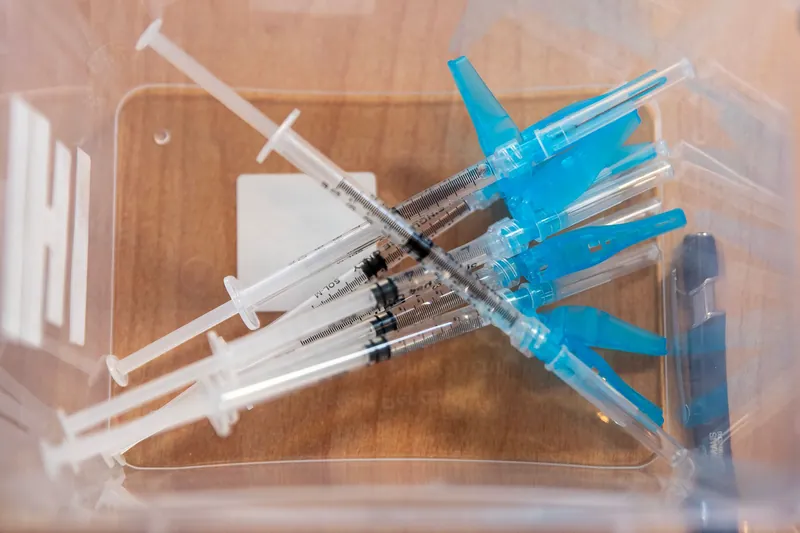
Yards, encampments, parks and rental properties receive needle and sharps cleanup.
See needle and sharps cleanup
Vomit is cleaned and the area disinfected to stop the spread of norovirus and other germs.
See vomit cleanup
After an eviction or tenant move-out, cleanup removes fluids, waste and filth.
See eviction and tenant move-out biohazard cleanupThere is no dependable published range only for rental properties. General cost guides for biohazard work cite $1,800 to $4,500 as a residential average and $3,000 to $5,000 for a typical national range. Actual cost depends on how deeply contamination penetrated, the rooms and surface materials involved, disposal needs and odor treatment.
Whether the item can stay depends on access to every absorbent layer touched by bodily fluids. Treatment may work for a compatible surface with a small affected spot. Penetration into a cushion, carpet pad or mattress often calls for removing it. The item can stay only if all affected surfaces are accessible for cleaning and disinfection, with contamination depth guiding that assessment.
Return the room to service only after material removal, cleaning, disinfection, odor source treatment and the closing inspection are all complete. A contained hard-surface cleanup may take about a day. If carpet, walls, furniture or subfloor materials are involved, the work could last one to three days or longer.
Air treatment starts only after technicians locate and remove the odor source. Reaching fluid below the surface can require opening up wall materials, subfloor, carpet pad or furniture. After cleaning and disinfection, air scrubbers or other suitable treatment can address remaining air quality concerns. Using fragrance by itself cannot remove the source of a biohazard.
Professional cleanup addresses contaminated materials, including human waste, blood, sharps and bodily fluids, in vacation rentals, hotels, Airbnb units and long-term rentals. Cleanup covers restricted access, removal of material that cannot be disinfected, hard-surface cleaning, source odor treatment and use of the proper disinfectant for its entire contact time.
An employee may clean a minor spill only if the task is addressed by workplace training, protective equipment and the exposure plan. A controlled biohazard cleaning process is necessary for sharps, absorbent materials, concealed contamination and bigger spills. Workplaces must follow requirements in the OSHA Bloodborne Pathogens Standard when employees can be exposed to blood at work.
You can request respectful, discreet hotel, airbnb and rental biohazard cleanup 24 hours a day, and crews use unmarked vehicles.